

Fair Go for All Australians: Equality and Opportunity
Explore how Australia champions a fair go through equality, economic access, Indigenous rights, and community efforts to create real opportunities for all 👏🌏.
Edited By
Amelia Scott
The phrase 'fair go' has long been synonymous with the Australian identity—an idea that everyone should get an equal chance regardless of their background. But the real question is: does this ideal stack up in reality? When you strip away the rhetoric, the picture is more complex.
Australia does show strengths in offering opportunities, yet gaps persist, especially when we consider employment, education, Indigenous rights, and public policy. For example, while job markets in cities like Sydney and Melbourne are competitive and diverse, regional and Indigenous communities often face barriers that limit access to quality work and fair wages.

Education, too, paints a mixed story. Public schools provide solid foundations for many, but disparities in funding and resources across regions and demographics keep some kids from reaching their full potential. This uneven footing can shape social mobility, which is tightly linked to the "fair go" principle.
Indigenous Australians continue to experience disparities in health, education, and representation. Despite government efforts aiming to close the gap, the pace remains slow, leading many to question whether real fairness exists in the system.
A "fair go" isn’t just about equal rules but equal chances to succeed. That’s where Australia's challenge lies.
Government policies often declare fairness a goal, but outcomes don’t always reflect this. Immigration policies may favour skilled workers, yet migrants frequently struggle with barriers to employment and community acceptance. Similarly, welfare support aims to help disadvantaged groups but can sometimes fail to catch those who need it most.
To understand fairness in Australia today, it's crucial to look beyond slogans and examine real-world experiences across different sectors and communities. This article aims to do exactly that, providing you with clear insights into where Australia stands and what needs to change.
Employment opportunities and wage equality
Education access and quality
Indigenous rights and closing the gap
Government policies impacting opportunity
By breaking down these aspects, you’ll get a clearer view of how fairness unfolds in everyday Aussie life—helping you draw your own conclusions about whether Australia truly offers a fair go for all.
The concept of a "fair go" lies at the heart of what many consider to be Australian identity. It’s not just a saying but an expectation: everyone deserves an equal chance to succeed, regardless of their background. Understanding this value helps explain why equality and opportunity remain hot topics in Australian society and why policies and social attitudes often revolve around fairness.
The phrase "fair go" dates back to Australia's early colonial days, rooted in outback and working-class culture where mateship and a level playing field were essentials for survival. It embodies fairness, justice, and a communal spirit. Unlike strict legal equality, the "fair go" means accommodating people’s differing circumstances to provide truly equal opportunities. For example, offering extra support to remote communities to access healthcare or education aligns with this principle, recognising that an identical treatment isn’t always equal.
The idea of the "fair go" influences how Australians see themselves and others. It fosters a sense of social solidarity and a suspicion of privilege or unfair advantage. In workplaces, this can mean advocating for equal pay or transparent recruitment processes. In everyday life, it prompts debates on welfare, immigration, and Indigenous rights. Yet, the lived experience doesn’t always match the ideal. Disparities in income, education, and health outcomes show that some groups don’t get the fair go they should.
The "fair go" is less about everyone starting at the same line and more about making sure the finish line is within reach for all.
For those working in finance, marketing, or IT sectors, appreciating the fair go is crucial. It impacts workplace culture, fairness in promotion, and customer interactions. Likewise, gamblers and customer service workers see it in equal access to services and respectful treatment. When policies or business practices conflict with this value, public trust can quickly erode.
In practice, embracing the "fair go" means acknowledging and addressing systemic barriers while promoting equal opportunities. It’s a balancing act—recognising that fairness is not always the same as equality but aims to give everyone a genuine chance to make the most of their talents and efforts.
Fairness in employment and economic opportunity forms the backbone of Australia’s promise of a "fair go". Without equal access to jobs and unbiased workplaces, the idea of everyone having a chance to succeed quickly falls apart. This section looks at key elements like workplace equality, access to jobs for migrant and minority workers, social mobility, and how economic policies shape income distribution.
The gender pay gap remains a stubborn issue in Australia, with women earning around 14% less than men on average. This gap isn’t just about wages but also reflects limited access to leadership roles and flexible work arrangements. In practical terms, this restricts women’s economic independence and career growth. Companies such as ANZ and Telstra have recently pushed initiatives to boost inclusivity and transparency in pay, which is a positive step but there’s still a way to go.
Similarly, workplace culture and policies need to adapt to support migrant and minority workers better. These groups often face language barriers, discrimination, and limited networks that hurt their job prospects. For example, skilled migrants with qualifications recognised overseas sometimes struggle to find roles matching their expertise. Programs like multicultural employment services and targeted apprenticeships help bridge this gap, but the overall consistency across industries remains patchy.
Education and training are key to breaking the cycle of disadvantage and creating social mobility. Practically, this means offering accessible vocational training, apprenticeships, and scholarships aimed at lower-income families. TAFE NSW, for instance, provides affordable courses that are crucial for workers looking to upskill or switch careers. Without these pathways, people risk being stuck in low-paying jobs with little chance for advancement.
On the flip side, economic policies directly impact how income is distributed across society. Tax measures, welfare support, and minimum wage laws shape this landscape. Australia’s progressive tax system and the National Minimum Wage aim to reduce income gaps. However, rising living costs and housing pressures often outpace wage growth, pushing lower-income households further behind. The challenge for policymakers is balancing economic growth with fairness so that opportunities truly reach everyone.

Fairness in employment isn’t just about equal pay but creating workplaces where all Australians, regardless of background, can build a sustainable livelihood and advance their prospects.
Gender pay gap is a persistent challenge limiting women's economic progress.
Supporting migrant workers requires consistent, industry-wide initiatives.
Education and training programs are vital for lifting people into better jobs.
Economic policies must address both opportunity and affordability to reduce inequality.
Education is often seen as the great equaliser, offering people a chance to improve their circumstances regardless of background. In Australia, the idea that everyone should get a fair go at an education underpins policies intended to level the playing field. However, the reality involves distinct challenges, especially when factoring in geographic location and social disadvantage.
One of the key hurdles in achieving equal education opportunities in Australia is the persistent gap between rural and urban schooling. Students in remote or regional areas often face fewer resources, limited course options, and less access to experienced teachers compared to their city counterparts. For example, a high school student in rural Queensland might have to rely on distance education or travel great distances to get a wide enough range of subjects to prepare for uni or TAFE.
These disparities affect student outcomes, with rural students generally recording lower attainment levels and higher dropout rates. The problem isn't just about access but also about attracting and retaining skilled teachers and providing facilities that match city schools. Addressing these inequalities requires targeted investment and innovative solutions like remote learning programs that don’t compromise quality.
Beyond geography, socio-economic status plays a significant role in educational outcomes. Students from low-income families, new migrants, or those facing language barriers often struggle more in school. Public education offers various support programs designed to help these students, such as specialised tutoring, mentoring, and engagement initiatives.
For instance, the Smith Family Learning for Life program provides assistance including scholarships and support services to help disadvantaged kids stay engaged with education. Schools in lower socio-economic areas also receive additional funding to cater for the unique needs of their students. While these supports have some impact, gaps remain, especially in ensuring consistent quality and outreach across all schools.
Indigenous students still face notable barriers within the education system, contributing to significant attainment gaps between Indigenous and non-Indigenous Australians. These include factors such as cultural disconnection, lack of community support, and sometimes harsh school environments that don’t always respect Indigenous histories and identities.
Statistics show that lower Year 12 completion rates and reading and numeracy scores among Indigenous students limit their employment opportunities and life outcomes. This gap reflects broader issues tied to social and economic disadvantage and highlights how simply providing schools doesn’t guarantee fair access.
Various government and community-led initiatives aim to bridge these educational gaps. Programs like the Indigenous Advancement Strategy focus on improving participation and completion rates through culturally appropriate schooling and community involvement.
One practical example is the bilingual education programs in Northern Territory schools, blending Indigenous languages and English to improve engagement and learning outcomes. Additionally, scholarships and mentoring tailored to Indigenous students encourage continued education. While progress is being made, outcomes vary widely, and sustained investment coupled with genuine community partnerships remains key to closing these entrenched gaps.
Closing educational disparities is a crucial step towards offering all Australians a fair go. Without tackling rural disadvantages and Indigenous challenges, the promise of equal opportunity through education stays just out of reach.
Public education struggles with rural-urban equity, affecting resources and access.
Support for disadvantaged students includes funding boosts and tailored programs.
Indigenous students face educational barriers rooted in cultural and systemic factors.
Closing gaps requires culturally sensitive programs and genuine community engagement.
Addressing fairness for Indigenous Australians means understanding a history that still shapes their everyday lives. This section looks at the ongoing struggles faced by Indigenous communities, especially concerning land rights, health, and social outcomes. It also explores government responses and how Indigenous voices lead efforts towards genuine fairness.
Land holds a deep cultural and spiritual meaning for Indigenous Australians. Yet, colonial dispossession severed many communities from their traditional lands, causing social and economic displacement that continues today. The legal recognition of land rights, such as through the Mabo decision in 1992, has been an important step towards acknowledging Native Title. However, disputes over land use still occur, affecting access to resources and cultural heritage.
Practical outcomes of these land rights cases include Indigenous groups gaining greater control over land management and economic projects, for example, community-run ecotourism ventures in Northern Australia. Despite these gains, progress remains patchy, with many communities still fighting for recognition and fair compensation.
Indigenous Australians experience significantly poorer health than non-Indigenous people, with lower life expectancy and higher rates of chronic diseases such as diabetes and heart conditions. These disparities are linked to factors like limited access to quality healthcare, overcrowded housing, and unemployment.
Socially, Indigenous communities face challenges including higher incarceration rates and limited educational opportunities. Programs like the Aboriginal Community Controlled Health Organisations (ACCHOs) offer culturally appropriate healthcare, but systemic issues persist. These ongoing gaps underline the need for policies that go beyond surface fixes and seek to address root causes of inequality.
Reconciliation in Australia is about recognising past wrongs and building a shared future. Government initiatives like the National Sorry Day and the Reconciliation Action Plans promote awareness and practical steps towards equity.
These efforts encourage organisations across the country – from schools to businesses – to commit to respectful relationships with Indigenous communities and support closing the gap on various indicators. While symbolic gestures matter, their true value lies in driving real changes in policy and community outcomes.
A powerful aspect of addressing fairness is empowering Indigenous communities to lead their own initiatives. Indigenous-led programs span areas such as education, health, and economic development, reflecting a deep understanding of local needs and culture.
For example, the Deadly Sista Girlz program focuses on mental health among young Indigenous women, providing culturally relevant support that mainstream services often miss. Another example is the Aboriginal Housing Office in NSW, which manages housing solutions designed together with communities. These programs demonstrate that real progress often comes from listening to and backing Indigenous voices.
The challenge of a true fair go for Indigenous Australians is ongoing, but recognising history, improving health and social conditions, and supporting Indigenous leadership are practical steps towards fairness that truly counts.
Government policies play a key role in making sure the idea of a "fair go" isn’t just lip service but something Aussies can actually count on. These policies aim to level the playing field by providing support where markets and individual efforts fall short. They touch on everything from social welfare to laws tackling discrimination and reforms in housing and healthcare, all of which directly influence everyday life and opportunities.
Safety nets are essential for supporting people experiencing hardship, such as low income earners, the unemployed, and those facing health issues. Centrelink payments and programs like JobSeeker and Youth Allowance are practical examples ensuring these groups have some financial stability while they regain footing. Without these supports, people risk falling further behind, which would go against the fair go principle.
Moreover, these safety nets help reduce inequality by providing basic resources, enabling access to education and healthcare. This way, vulnerable populations get a chance to improve their situation, instead of being stuck in a cycle of disadvantage.
While Australia’s social welfare system offers a broad safety net, it often faces criticism over effectiveness. For instance, the adequacy of payments like the Newstart Allowance has long been debated, with many arguing rates are too low to cover essential costs. This gap impacts people’s ability to fully participate in society or invest in bettering their future.
On top of that, the complexity of navigating eligibility and receiving support creates barriers. Though programs exist, not everyone who needs help can access it efficiently. These issues reveal how government policies still have room to improve to truly deliver a fair go for all.
Australia’s anti-discrimination laws form a critical part of government efforts to uphold fairness. The Racial Discrimination Act 1975 and the Sex Discrimination Act 1984, among others, prohibit unfair treatment in workplaces, housing, and services. This legal framework protects individuals from bias based on race, gender, age, disability, or sexual orientation.
The real-world impact of these laws is significant. For example, they empower employees to report and seek remedy for workplace discrimination, thereby fostering fairer access to economic opportunities. However, enforcement and awareness still vary across sectors, so ongoing attention is needed.
Housing affordability remains a major challenge for many Australians, restricting access to stable living conditions—a basic element of a fair go. Government initiatives like the National Housing Finance and Investment Corporation (NHFIC) aim to boost affordable housing supply, but demand still heavily outstrips availability.
Healthcare reforms also matter for fairness. Medicare provides universal healthcare access, yet disparities exist, particularly for rural and Indigenous communities. Efforts such as the Closing the Gap campaign address these gaps, but uneven service quality and waiting times persist.
Government policies are the backbone to turning the "fair go" ideal into practical support, but continual evaluation and update remain essential to keep pace with changing needs and close existing gaps.
In summary, government policies shape Australia's efforts to deliver a fair go by providing social support, enforcing equality laws, and reforming critical sectors like housing and health. While progress is evident, challenges in program adequacy, accessibility, and enforcement highlight where work remains. For those working in fields like IT, finance, marketing, or customer service, understanding these policies clarifies how broader social fairness affects workforce diversity, economic participation, and community wellbeing.
Explore how Australia champions a fair go through equality, economic access, Indigenous rights, and community efforts to create real opportunities for all 👏🌏.

Explore the fair go principle 🇦🇺 — a key Aussie value shaping fairness in society, workplaces & politics. Understand its roots, impact, and challenges today.
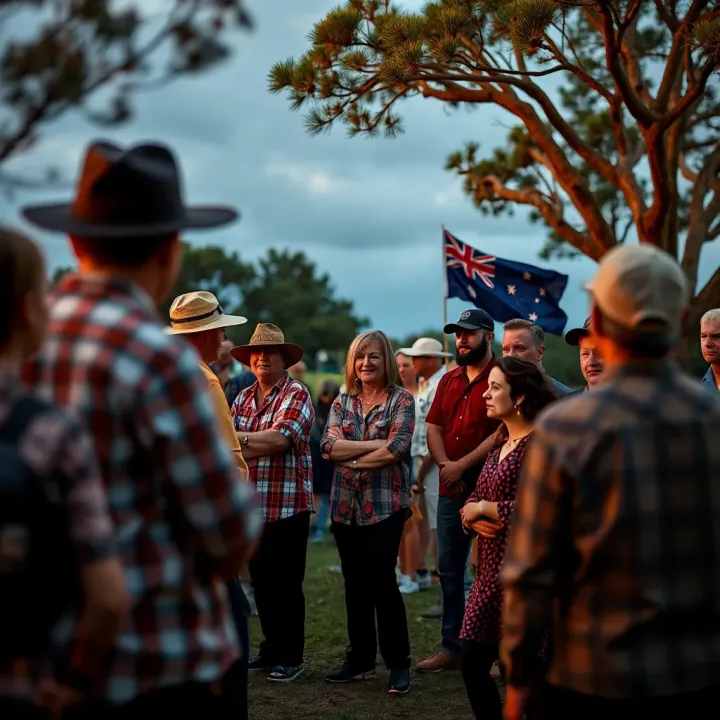
Explore the 'fair go' in Aussie culture 🇦🇺 – its roots, impact on everyday life, policies, and how it shapes our identity and future society.

Get a clear picture of Fair Go Casino Australia payouts 💰, including withdrawal steps, payout rates, security details, and your actual chances of winning down under.
Based on 15 reviews